Laureate of the Year 1995: The Turkish Red Crescent Society
Award Year
1995
About the Society
The Turkish Red Crescent Society was founded on 11 June 1868 under the name “Ottoman Society for Aid to Wounded and Sick Soldiers.” Providing assistance without discrimination to soldiers wounded on the battlefield and civilians affected by armed conflicts, the ultimate goal of the Red Crescent is to establish universal peace “through humanity.”
Since the Russo-Turkish War of 1877–1878, the Red Crescent has provided care and medical treatment to thousands of wounded Turkish soldiers, as well as to friendly and enemy combatants, in field hospitals established behind the front lines in all armed conflicts in which Türkiye has been a party. It has provided the necessary humanitarian assistance to Turkish and enemy prisoners of war, endeavoured to care for and protect civilians affected by war, provided care, shelter, and food for victims of natural disasters both in Türkiye and in other countries, and extended the necessary social assistance and services to numerous people in need of protection.
During the Republican era, when the Turkish administration built its relations with the international community on the principle of “Peace at Home, Peace in the World,” some of the Red Crescent’s major humanitarian activities contributing to peace can be outlined as follows:
- Acting as an intermediary in the mutual repatriation of Turkish and Greek prisoners of war in 1923 and 1924
- Assisting in the transportation, temporary accommodation, and care of approximately half a million Turks who came to Türkiye as part of the “Turkish-Greek Population Exchange” in the same years
- Assisting, between 1926 and 1931, in the return to Türkiye of Turkish prisoners of war and migrants who remained in Russia, Iran, Syria, Iraq, Saudi Arabia, and Yemen
- Sending aid to victims of earthquakes in Armenia and New Zealand in 1930, India in 1934, Iran in 1935, and Chile in 1938, as well as to victims of floods in El Salvador in 1935 and Finland and Bulgaria in 1940
- Delivering the first relief supplies to Abyssinia, which was attacked by Italy in 1936
- Providing assistance to Spanish refugees who had taken refuge in France in 1938
- Caring for Greek refugees who sought refuge in Türkiye in 1941 due to the German occupation
- Sending 24,000 tons of food and various clothing supplies to German-occupied Greece in 13 voyages by Turkish vessels in 1942 and 1943
- Sending food and clothing to British, French, Belgian, Norwegian, Polish, and Yugoslav prisoners of war in Germany, as well as German and Italian prisoners of war in Egypt, during the same years
- Arranging the repatriation of wounded, sick, or disabled German, Italian, and British prisoners of war through the ports of İzmir and Mersin in 1942 and 1943
In the period following the Second World War, the Red Crescent continued to provide humanitarian assistance, within the limits of its resources, to Palestinian refugees in the Middle East and to countries affected by earthquakes and other natural disasters, particularly Greece, the former Yugoslavia, Romania, Iran, and Pakistan. During the same period, through the International Federation of Red Cross and Red Crescent Societies, of which it was a member, it also contributed to the development of the national societies of developing countries. Nevertheless, during this period, the Red Crescent was primarily engaged in fulfilling the duties and responsibilities it had undertaken in response to natural disasters affecting Türkiye and in the fields of health and social assistance.
In addition, during the Korean War, the Turkish Red Crescent took an active part by sending a team to the prisoner-of-war exchange operation conducted in accordance with established international rules. During the Indo-Pakistani War, the Red Crescent dispatched a field hospital and a medical team to provide services in accordance with the fundamental principles of the International Red Cross and Red Crescent Movement. The 21st International Conference of the Red Cross and Red Crescent was held in Istanbul in 1969 under the auspices of the Red Crescent. In accordance with the migration agreement concluded with Bulgaria, the accommodation, food, healthcare, and other needs of our kinsmen who came to Türkiye were met. During the Cyprus Peace Operation, the Red Crescent also fully fulfilled the duties entrusted to it under both its Statutes and international conventions.
In the 1980s, political and social developments in the world, particularly in regions close to Türkiye, including internal disturbances, armed conflicts, famine, and mass refugee movements, affected not only our country’s external security and relations but also the activities of the Red Crescent. Türkiye, together with its state, nation, and Red Crescent, began to devote greater attention to humanitarian activities of international significance.
During the Iran-Iraq War, at the request of the parties, the Red Crescent facilitated the repatriation in 1985 of approximately 1,000 wounded or seriously ill Iraqi prisoners of war in accordance with the provisions of International Humanitarian Law.
In 1985–1986, a Red Crescent relief team directly distributed approximately 2,000 tons of food to 200,000 people affected by drought and famine in Somalia over a period of 90 days.
Following the earthquakes that occurred in Greece in September 1986 and Armenia in December 1988, the Red Crescent was the first foreign humanitarian organization to deliver relief supplies to these countries.
Following the Halabja events in 1988, the Red Crescent provided initial medical care, food, and accommodation in tent camps established by the organization for 56,000 Iraqi Kurds who had sought refuge in Türkiye; for 330,000 of our kinsmen who fled Bulgaria in 1989; for approximately 60,000 nationals of 66 countries evacuated from Kuwait following Iraq’s invasion of that country in 1990; and for approximately 11,000 Iraqi military personnel and civilians who sought refuge in Türkiye during the Gulf War.
In April 1991, following the armed attacks launched by the Baghdad administration against its own citizens in the north, 466,000 people sought refuge in Türkiye within a matter of days. During this major refugee influx, one of the largest in the recent past, the Red Crescent carried out a highly successful relief operation alongside the Turkish state, earning the appreciation and praise of the international community.
While these events were unfolding, Serbian attacks against Bosnia and Herzegovina began, and in November 1991 the Red Crescent delivered its first relief convoy to Sarajevo.
The years 1992 and 1993 marked a period during which the most extensive and intensive international humanitarian relief operations undertaken by the Turkish state and the Red Crescent were carried out. During this period, the Red Crescent continued without interruption to fulfill its responsibilities in disasters within Türkiye, most notably the Erzincan earthquake, while also successfully undertaking the task of providing Türkiye’s humanitarian assistance abroad.
From the beginning of 1992 through the end of 1993, the value of the international humanitarian assistance provided with the contributions of the Turkish state, the Turkish people, and the Red Crescent amounted to USD 215,967,820. A total of 281,537 tons of in-kind aid was delivered through the Red Crescent to 36 different countries across a vast geographical area extending from Albania, Bosnia, and Croatia on the Adriatic coast to Mongolia, and from the Russian Federation to Somalia. These supplies were transported by 167 cargo aircraft, 43 ships, and 652 trucks.
Furthermore, pursuant to United Nations Security Council Resolution 688, which called upon all Member States and their humanitarian organizations to participate in the relief operation in northern Iraq, the Turkish state decided that the Red Crescent would launch a major relief operation on 23 September 1993. Through relief teams stationed in Dohuk, Erbil, and Sulaymaniyah in northern Iraq, the operation envisaged the distribution of food, medicine, and other essential supplies to at least 100,000 people every month for one year, at a total cost of USD 13.5 million. Within this framework, by the end of 1994, a total of 13,000 tons of food had been distributed directly to 1,560,000 people in 250,000 families, while the region’s needs for medicines, other medical supplies, and educational materials and equipment were also met.
In addition, for people in Azerbaijan who had been forced to abandon their homes as a result of Armenian attacks, the Red Crescent established two tent cities in the Barda and Aghjabadi areas of the Aghdam region, consisting of 2,400 tents with a total capacity of 15,000 people. At the Barda camp, which became operational at the beginning of 1994, and at the Aghjabadi camp, the Red Crescent provided food, healthcare, and education for the children of more than 7,000 and 5,000 displaced Azerbaijanis, respectively.
In 1994, the Red Crescent sent approximately 250 tons of various relief supplies, including medicines, food, blankets, tents, clothing, and similar materials, to northern Iraq, Baghdad, Georgia, Ingushetia, Palestine, Nakhchivan, Albania, Turkmenistan, Moldova and the Gagauz Turks living in Moldova, Kyrgyzstan, Egypt, Bosnia and Herzegovina, Uzbekistan, Abkhazia, Azerbaijan, Ukraine, Rwanda, Kashmir, and Belarus. In the same year, it also provided financial assistance amounting to USD 50,000 to Bosnia and Herzegovina, USD 10,000 to Djibouti, USD 5,000 each to Malawi, Rwanda, and Guinea, USD 2,500 to Turkmenistan, and CHF 7,500 to Venezuela.
During the first four months of 1995, the Red Crescent provided various forms of assistance, including medicines, food, and clothing, worth TRY 185,250,001,900 (USD 4,404,224) to Chechnya, Bosnia and Herzegovina, Afghanistan, Abkhazia, Baghdad, Azerbaijan, and Belarus. This assistance included a fully equipped hospital worth USD 3.5 million sent to Afghanistan. In the same year, the Red Crescent also provided USD 10,000 (TRY 410,000,000) in financial assistance to Japan following the earthquake disaster and DEM 4,500 in financial assistance to Egypt to assist Turkish nationals imprisoned there.
According to the common understanding shared by the Red Crescent and the international Red Cross and Red Crescent community of which it is a member, “peace” does not merely refer to an environment in which there is no state of war; it also denotes a continuous and dynamic process of cooperation among all states and peoples based on respect for human beings, human rights, and the rule of law, mutual understanding, the equitable distribution of resources, and the peaceful settlement of disputes.
Within this framework, the Red Crescent’s activities, some of which have been outlined above, particularly those relating to situations of armed conflict, should be regarded as seeds of peace sown on the battlefield.
As demonstrated by the examples of the earthquakes in Greece and Armenia, the assistance provided by the Red Crescent without distinction between friend and foe, with the aim of alleviating human suffering and protecting human life and health, should be regarded as a contribution to peace “through humanity.”
The Red Crescent has also been active on issues concerning peace at bilateral, regional, and international levels. Its contacts with the Hellenic Red Cross concerning the resolution of certain humanitarian issues related to Cyprus, with the Bulgarian Red Cross concerning the pressures faced by our kinsmen in Bulgaria, and with the Iraqi Red Crescent in connection with the Gulf crisis are examples of the Red Crescent’s efforts for peace. At regional meetings such as the Balkan and Mediterranean Conferences, the Red Crescent played an active role in matters of direct relevance to peace, including the provision of humanitarian assistance and protection to Palestinians living under occupation and to the people of Bosnia and Herzegovina.
The Red Crescent’s increasing participation in international cooperation and its activities contributing to peace also strengthened its position within the International Federation of Red Cross and Red Crescent Societies, of which it was a member. At the General Assembly of the Federation, which had 162 members and was held in Birmingham, England, from 25 to 28 October 1993, the Red Crescent put forward its candidacy for the Federation’s Executive Council. Among the 11 European national societies competing for the four seats allocated to the European continent, it succeeded in being elected alongside Germany, France, and Denmark, receiving nearly 60 percent of the valid votes. Undoubtedly, the Red Crescent’s efforts to provide humanitarian assistance, without discrimination, to numerous countries where people were suffering, as well as its activities contributing to universal peace, played a decisive role in achieving this result.
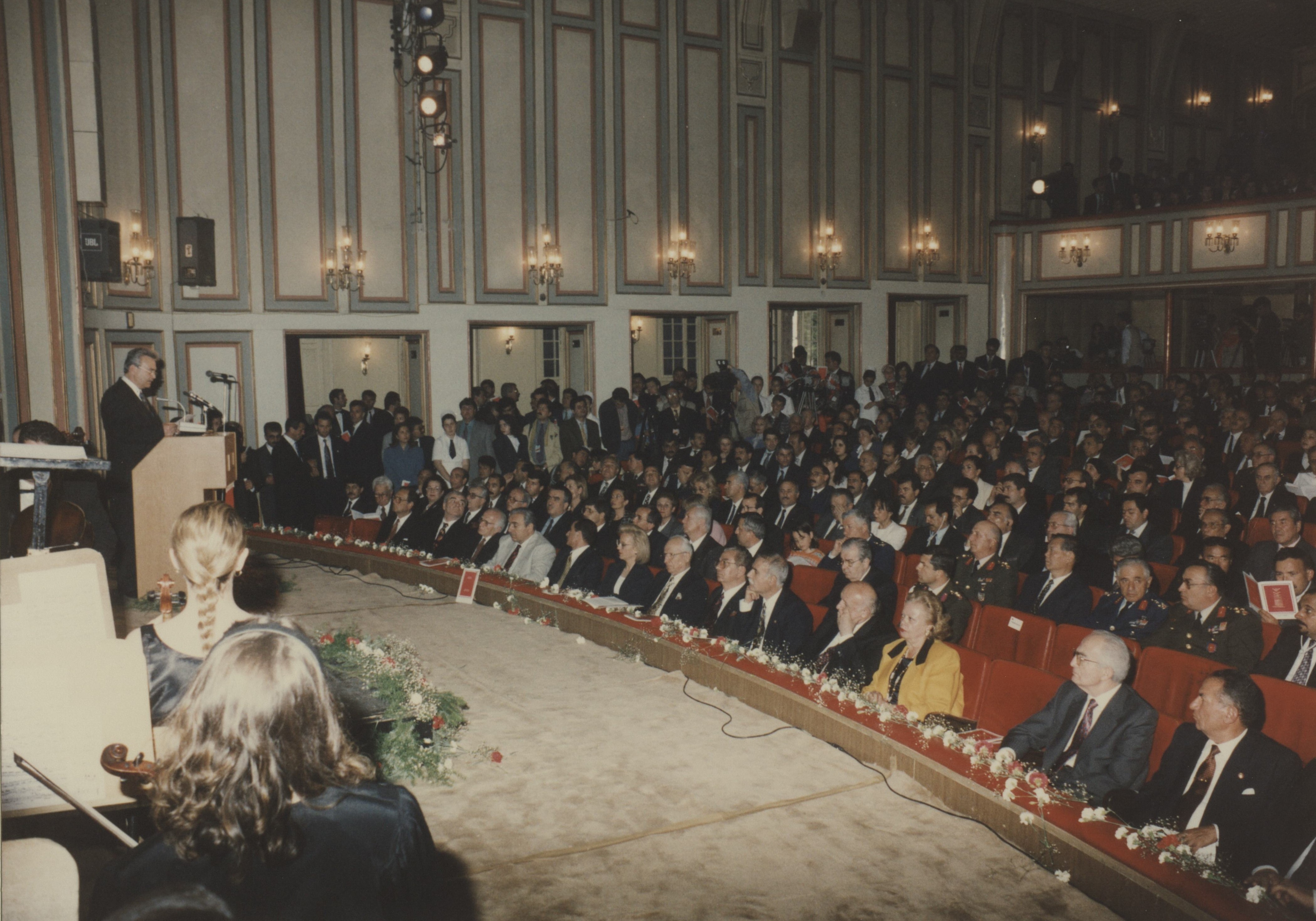
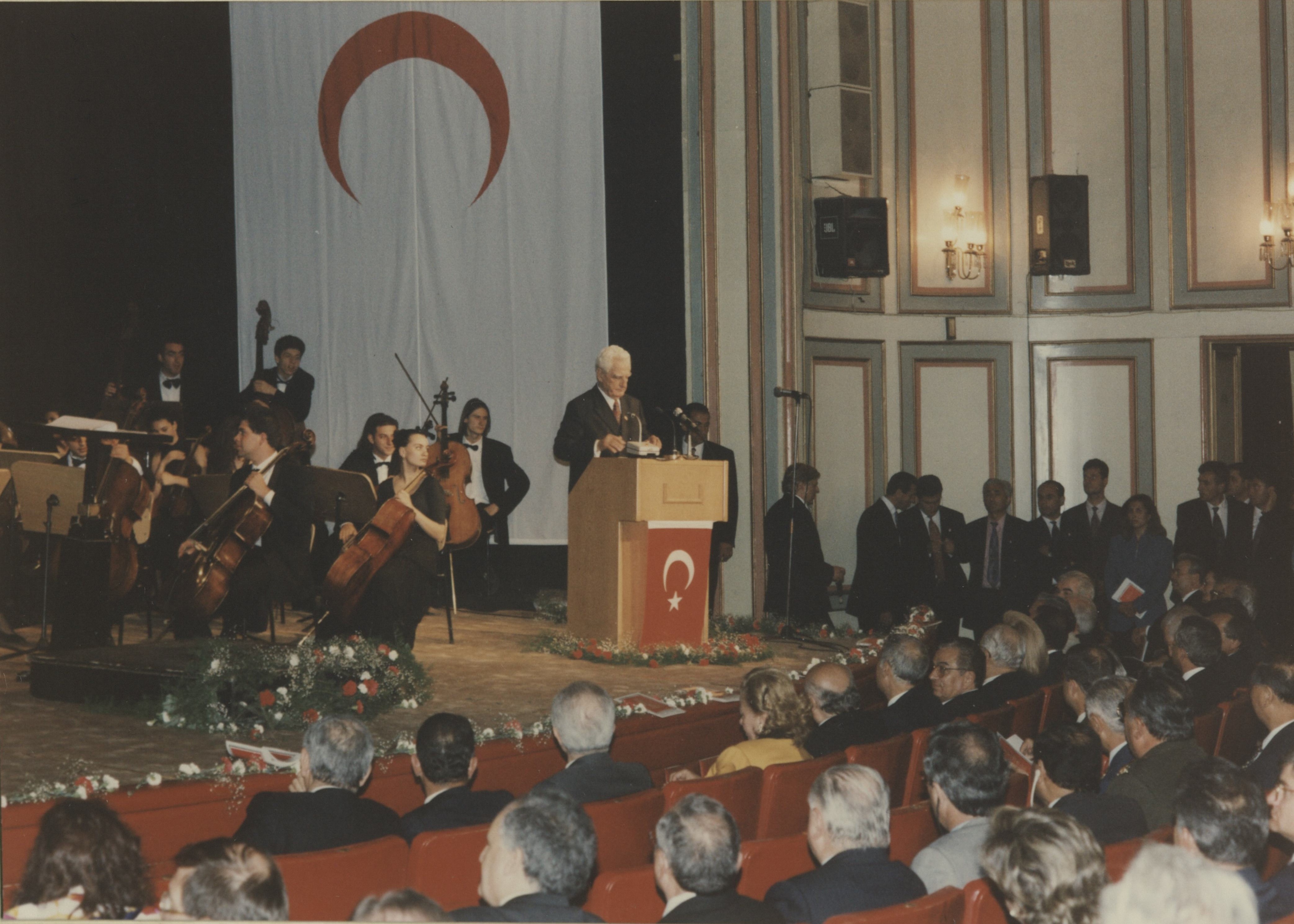
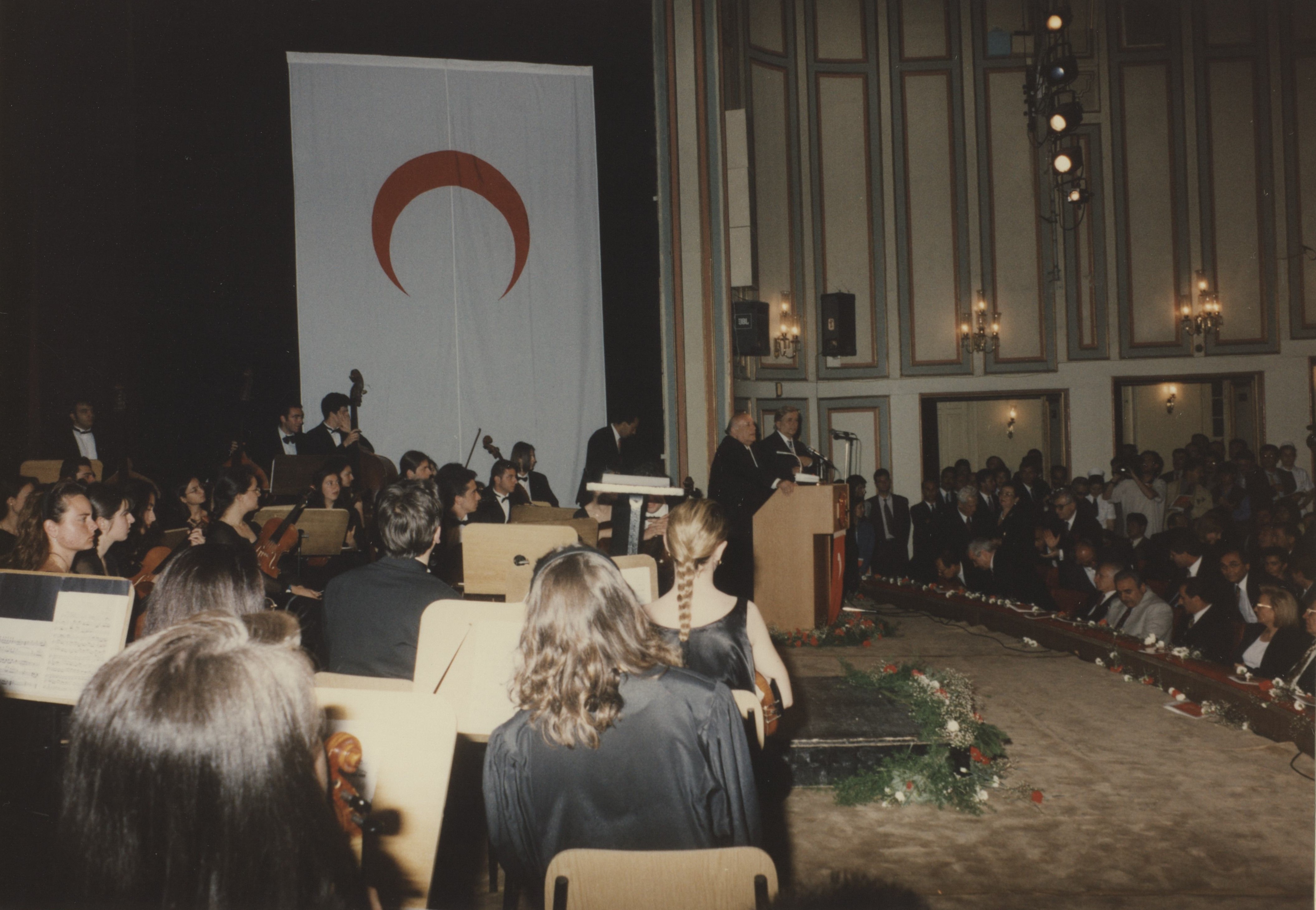
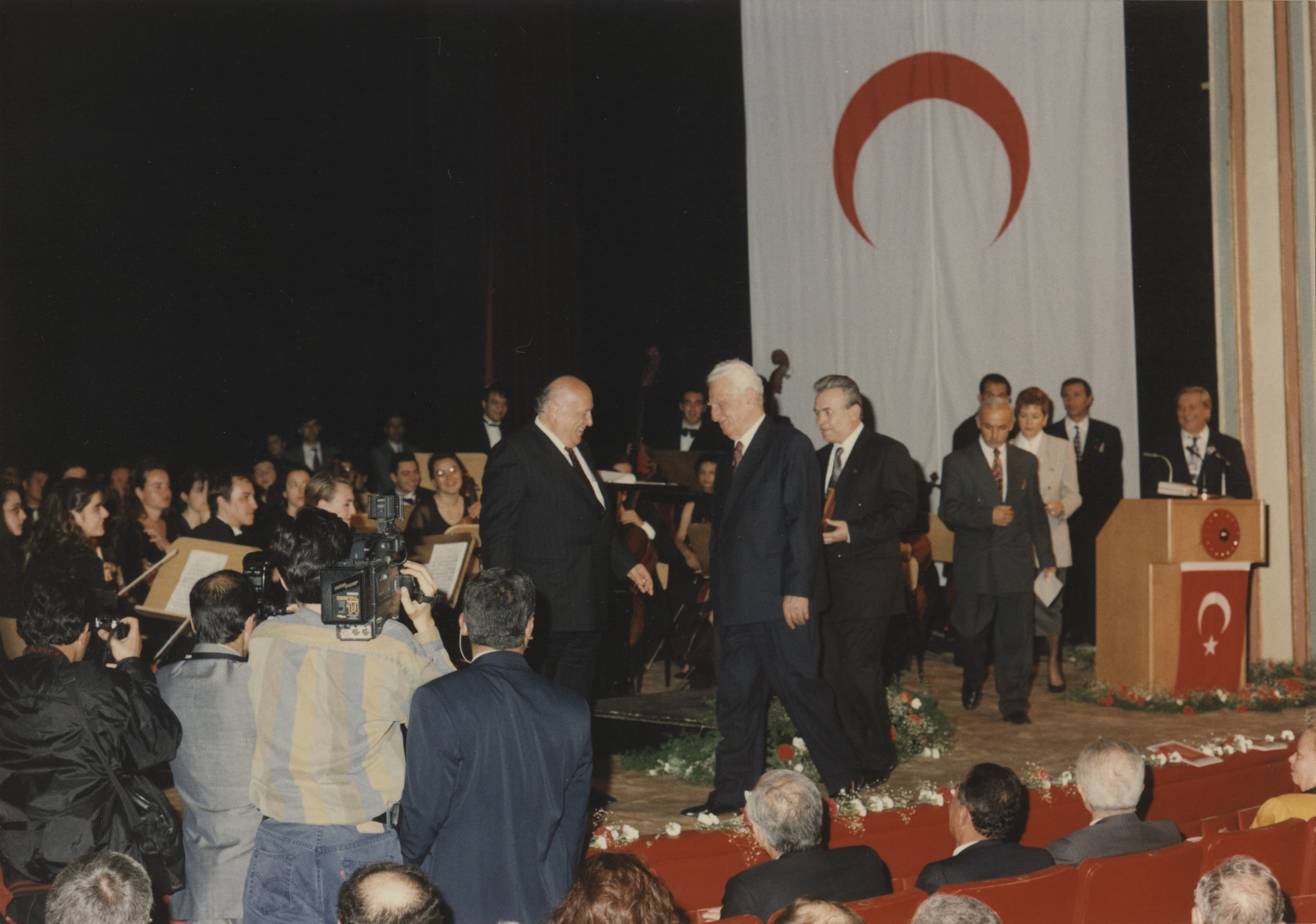
Photos











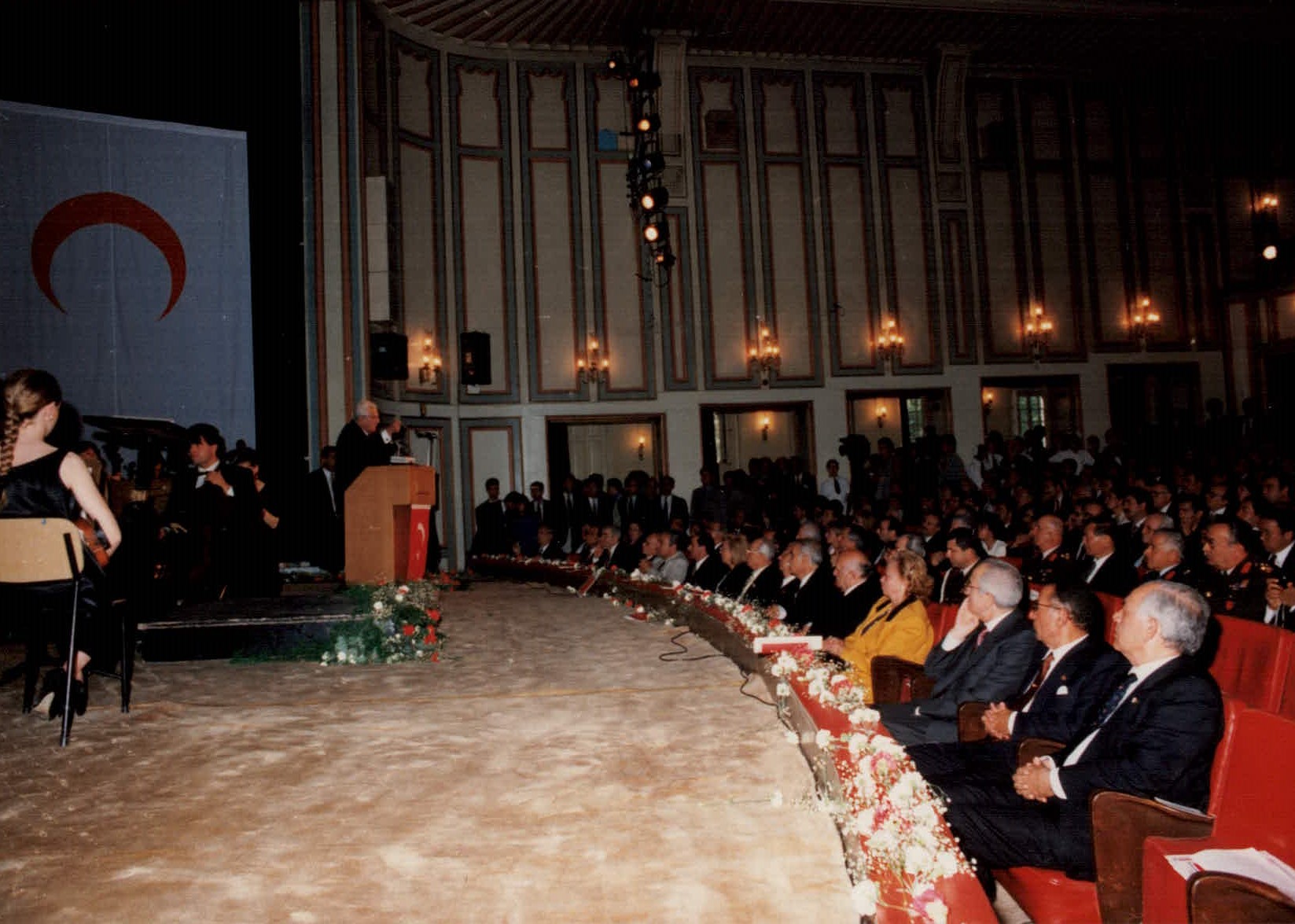
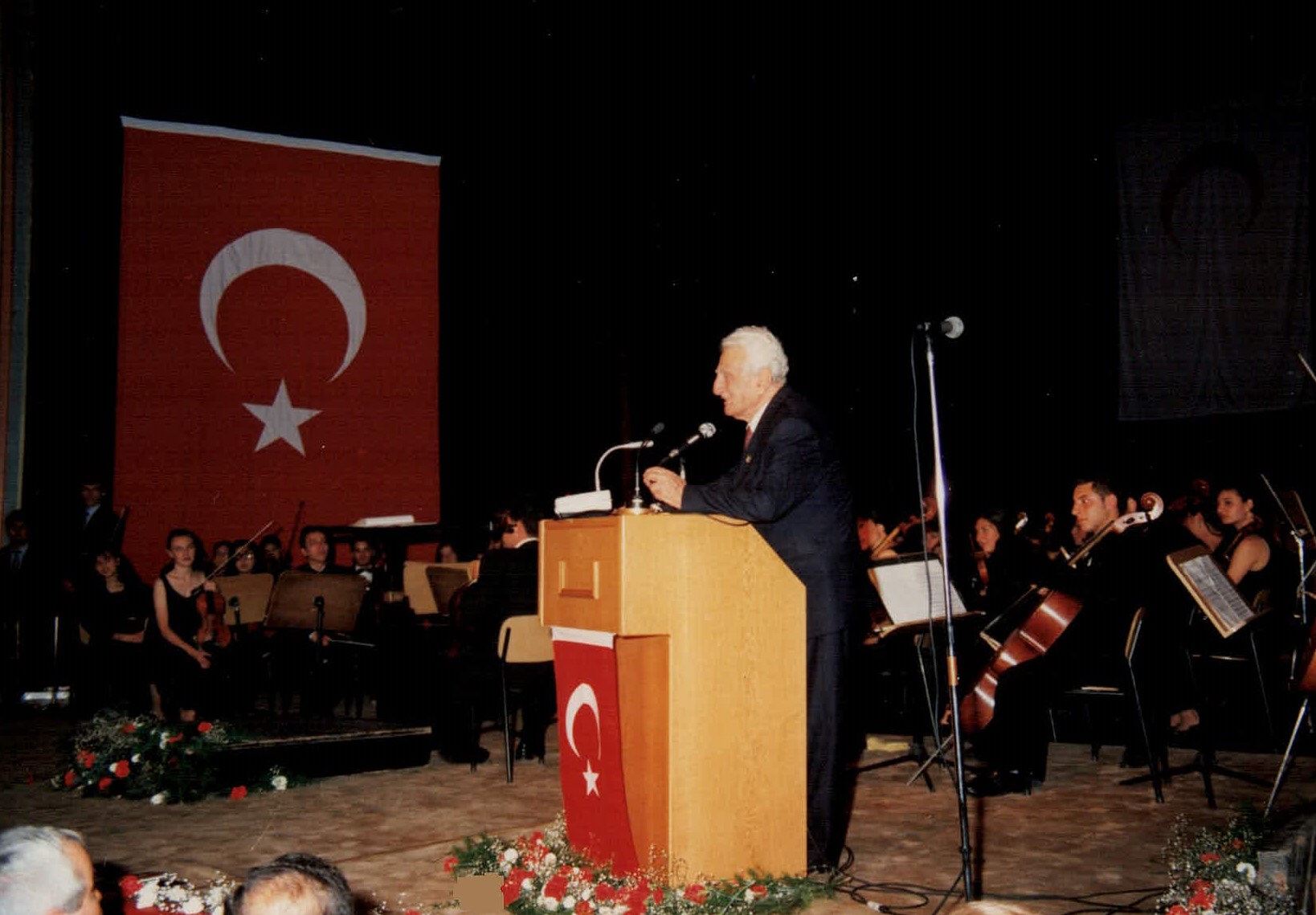


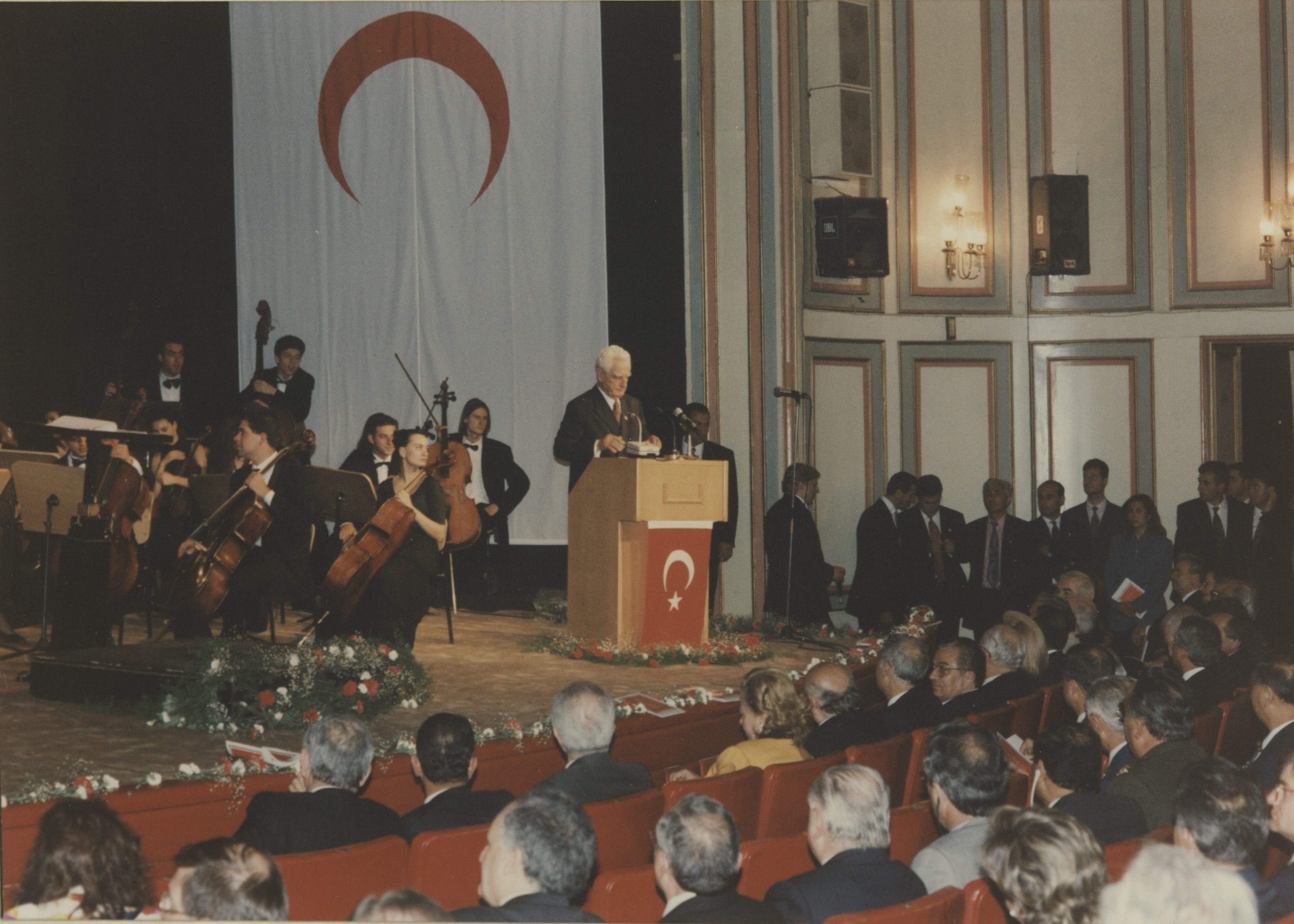
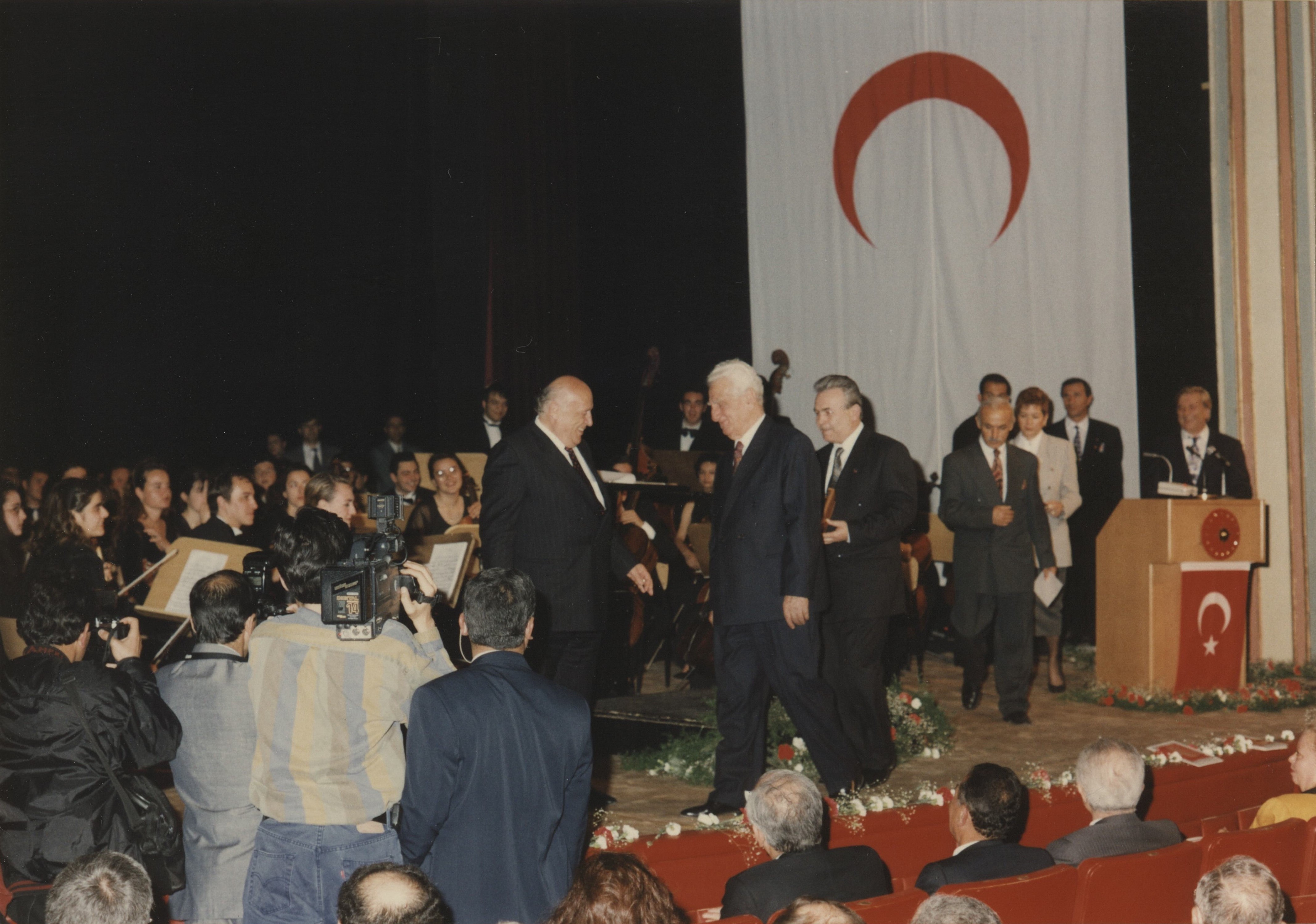






Rationale for the Award
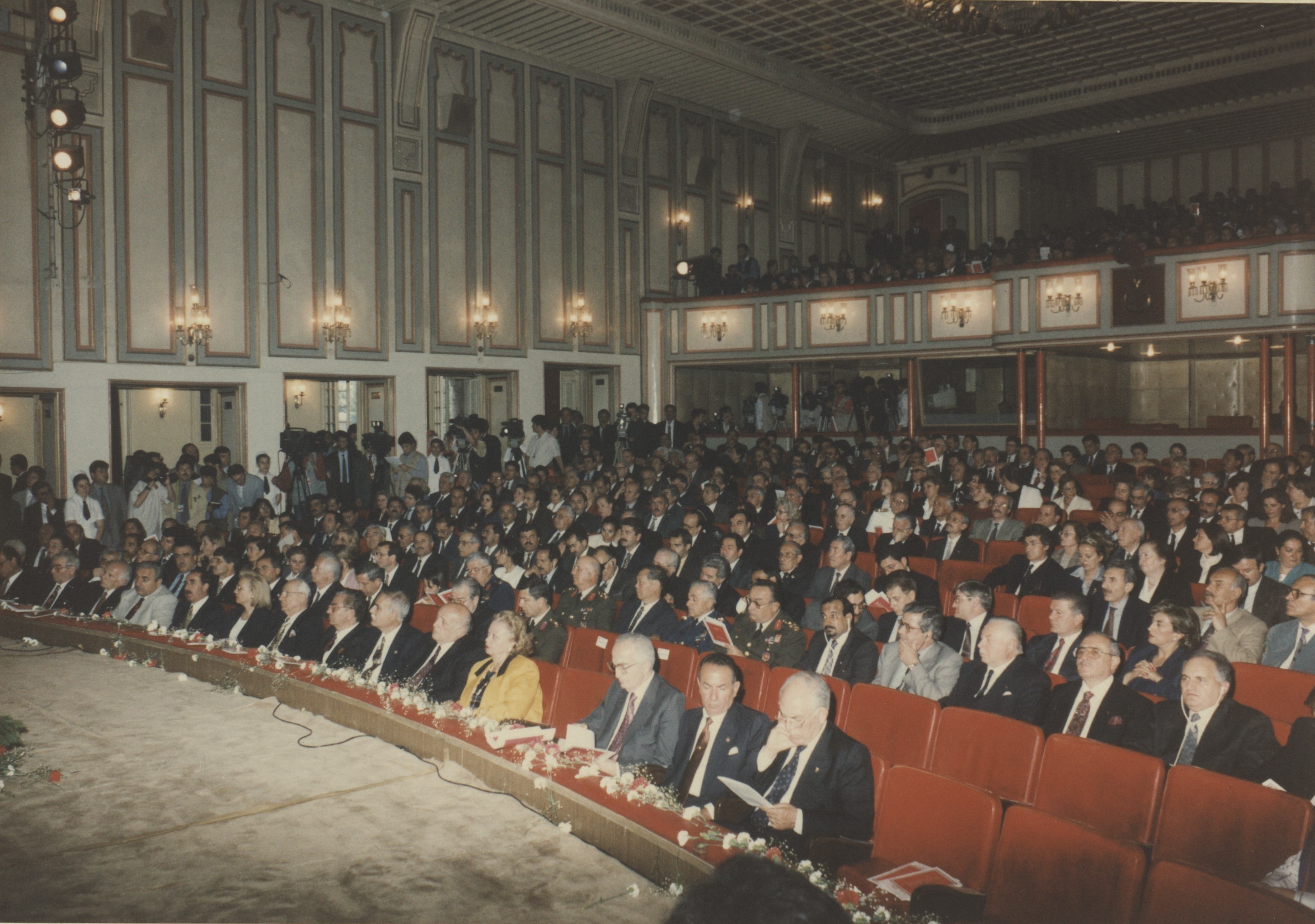
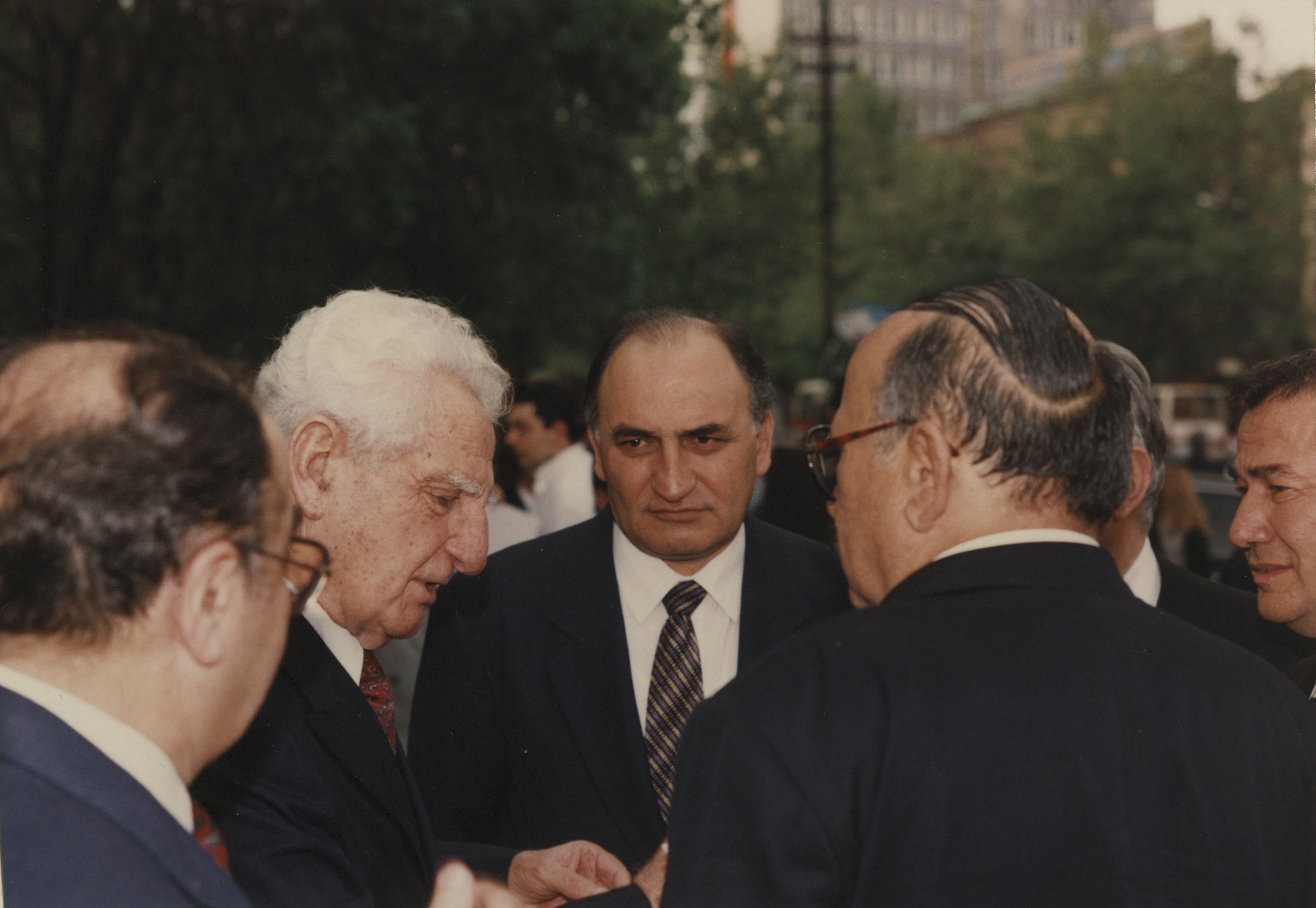
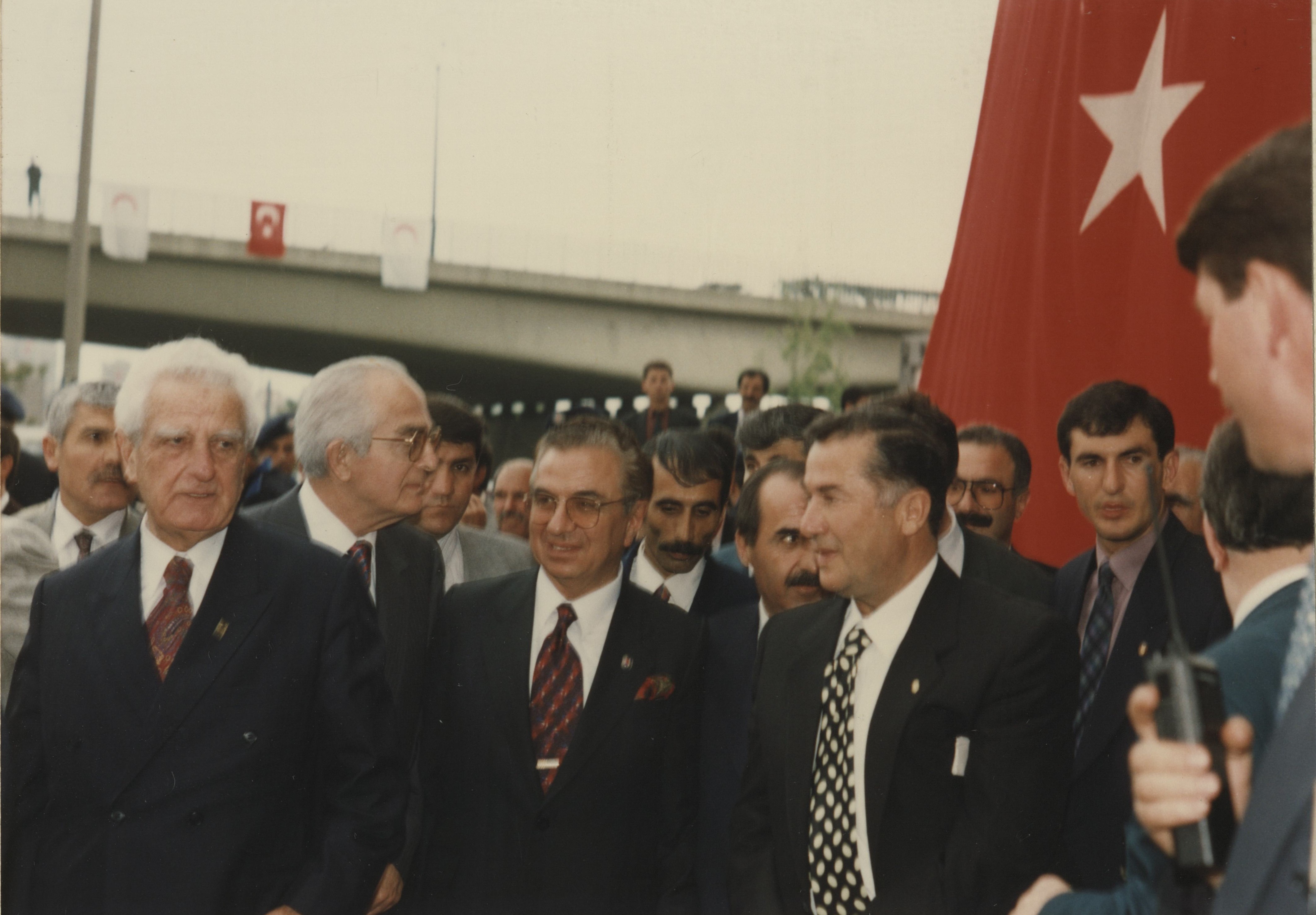
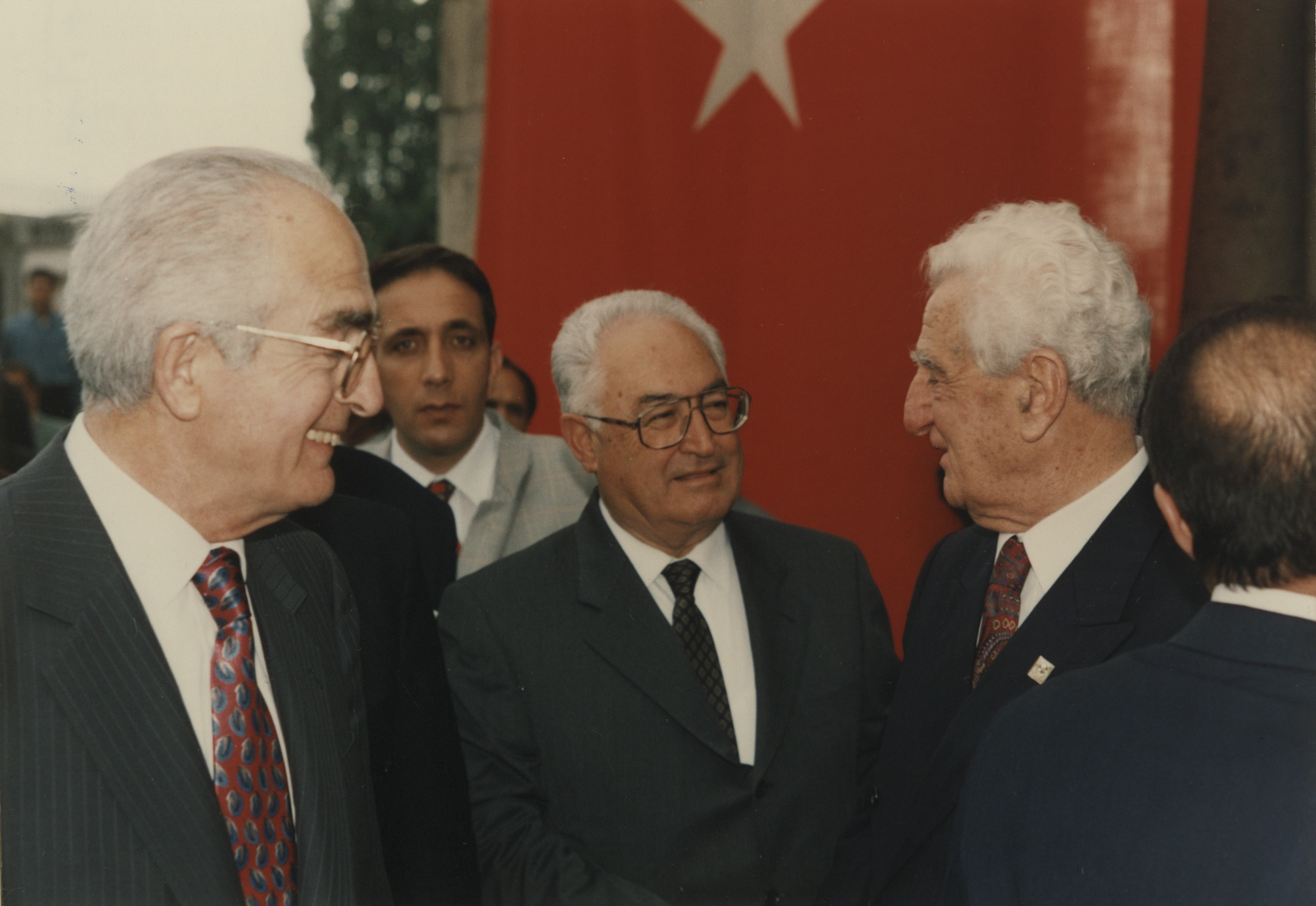
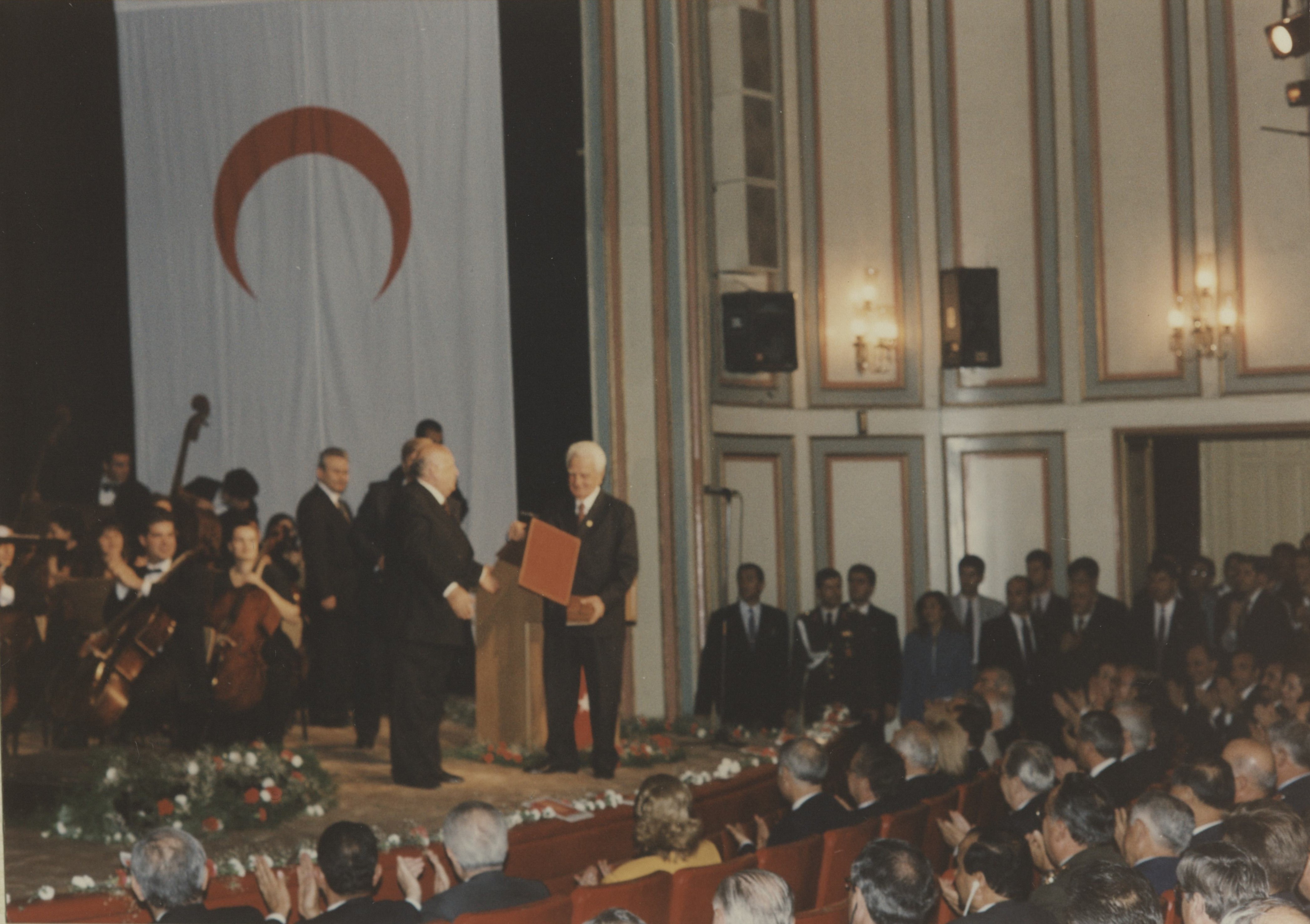
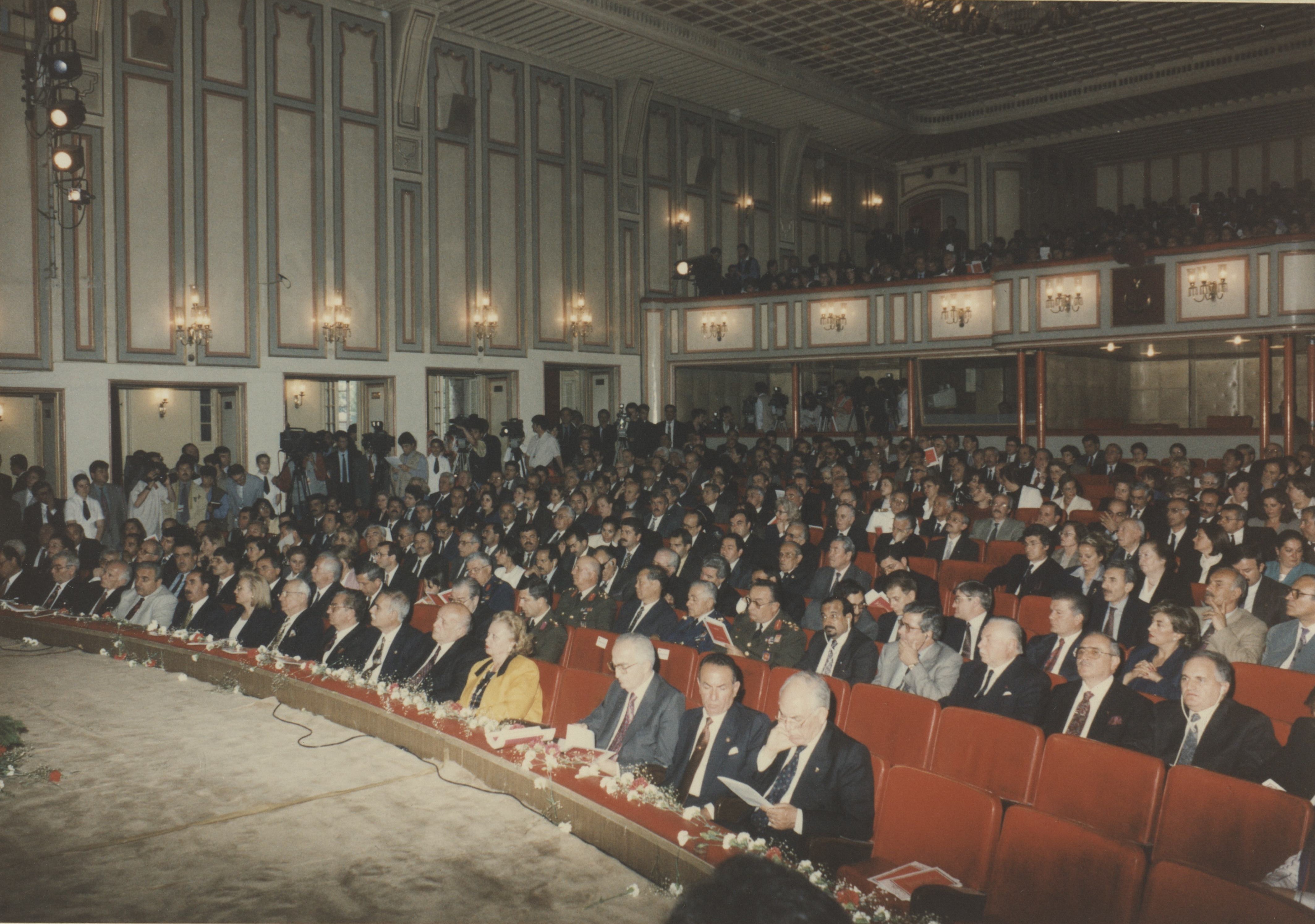
Since its establishment on 11 June 1868, the Red Crescent has been deemed deserving of the award in recognition of its efforts, “without distinction as to nationality, race, religion, gender, social status, or political belief,” both in Türkiye and abroad, to prevent or alleviate human suffering, protect human life and health, and ensure respect for human dignity; to serve as a symbol of solidarity in times of need, equality in times of suffering, and humanity in times of war; and to promote mutual understanding, friendship, respect, cooperation, and lasting peace among peoples.